Composition
What is in the bag
One ingredient. This page is the entire list, and then the reasons the list is that short.
Coffee. That is the list.
We are aware that a page called what is in the bag which answers in one word looks like a joke at your expense, so the rest of this page is the specification behind that word, and then the things we have deliberately left out.
Not robusta, and not a blend of the two.
A single variety, not a Geisha-led blend. Collected near Gesha in south-western Ethiopia in the 1930s and grown in Panama since the 1960s.
One estate. Named on every bag, and the same estate every time.
The western highlands, on the flanks of Volcán Barú.
High enough for a sharp night-time temperature drop, which is the whole mechanism.
Eight ounces of whole bean, roughly fifteen brews at our recommended ratio.
Luna Nueva is washed, the fruit stripped before drying. Luna Llena is dried whole in the cherry. Same trees, same week, two roads.
Light enough to keep the florals, developed enough to avoid grassiness. Geisha taken dark tastes of roast, not of Geisha.
At the farm's own mill, a few hundred metres from the trees, then air-freighted.
The actual date it was roasted. Not a best-before twelve months out.
The aromatics start leaving within minutes of grinding, so we do not do it for you.
A one-way degassing valve lets carbon dioxide out without letting oxygen in.
What is not in it
No second coffee. A great deal of what is sold as Geisha is a small percentage of Geisha carrying a much larger percentage of something cheaper, and the wording that permits this is entirely legal. We do not do it, and if we ever blend anything we will say so on the front of the label rather than in a footnote.
No flavouring, no oils, no infusions, no added sugar, no additives of any kind. Nothing is sprayed on after the roast.
No filler in the weight. 227 g is 227 g of coffee.
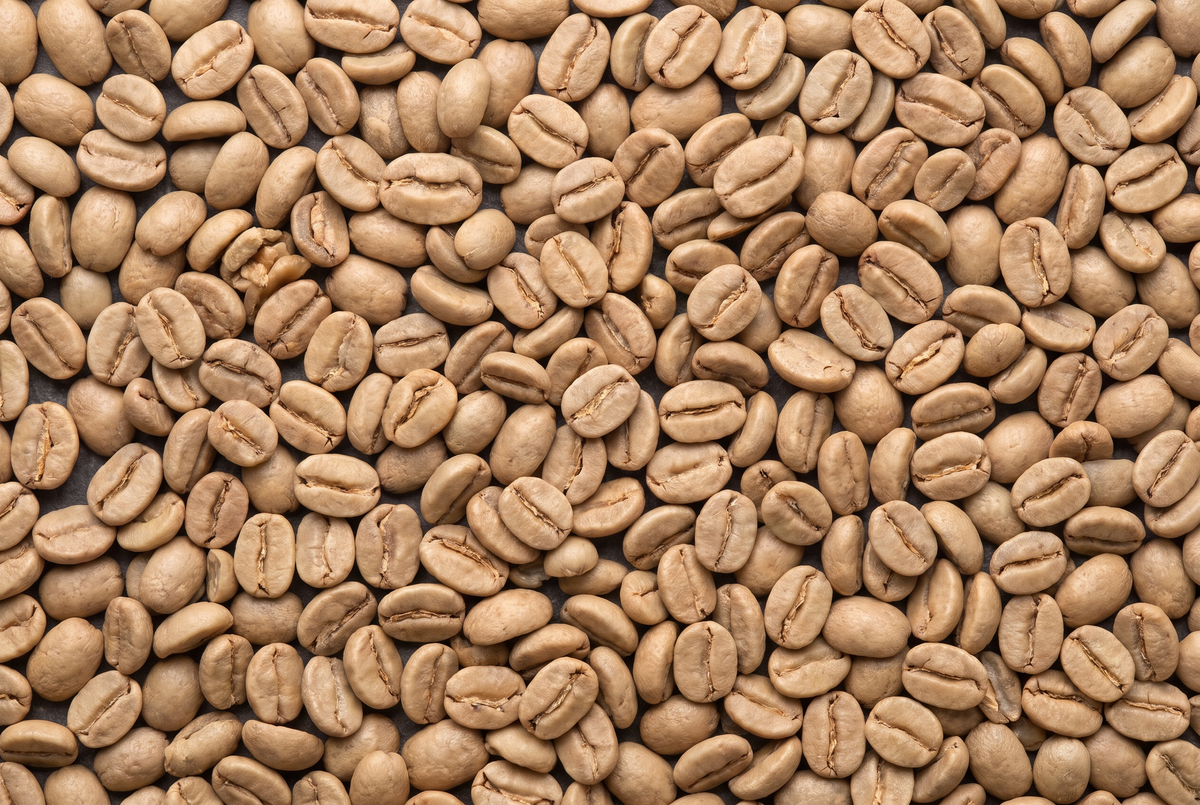
Why the list is short
Coffee is one of the few things you can buy where a longer ingredient list is straightforwardly worse. Every additional item is either covering something up or padding out the weight.
The reason a single-ingredient coffee can cost what this one costs is that all the difficulty sits upstream of the bag. The variety yields poorly and ripens unevenly, so a plot has to be walked several times in a season. The altitude that gives the cup its clarity also makes the farm harder to work. Roasting at origin and flying the result out costs several times what sea freight costs.
None of that shows up as an ingredient. It shows up in the price, and in the cup.
What changes between lots
Everything above is fixed. Two things are not.
The harvest year. Geisha comes off this farm once a season. A 2026 lot and a 2027 lot are different coffees, because the weather that made them was different. When a lot runs out we wait for the next one rather than substituting.
The tasting notes. We write what we taste on the cupping table for that specific lot, so the notes on your bag may not match the notes on the last one. That is honest rather than sloppy. A brand whose tasting notes never change is describing a marketing document, not a crop.
If you want the full detail on how a lot is assessed before we buy it, that is on the quality standards page.